When it comes to Choosing Siding That Matches Smart Roofing Systems, the right combination can make a world of difference. Let's delve into the intricacies of selecting the perfect siding to complement your roofing system, enhancing both aesthetics and functionality.
As we explore the importance of coordination, factors to consider, design tips, and installation considerations, you'll gain valuable insights into creating a harmonious exterior for your property.
Importance of Choosing Siding That Matches Smart Roofing Systems
When it comes to the exterior design of a property, coordinating siding with smart roofing systems is crucial for achieving a cohesive and visually appealing look. Matching the siding and roofing materials can significantly enhance the overall curb appeal of a building, making it more attractive and inviting to guests and passersby.
Enhanced Curb Appeal
By selecting siding that complements the color, texture, and style of the roofing system, you can create a harmonious and balanced appearance for your property. A well-coordinated exterior not only boosts the aesthetic appeal but also adds value to the overall design, making your home or building stand out in the neighborhood.
Improved Energy Efficiency
Choosing siding and roofing materials that work well together can also contribute to the energy efficiency of a building. When these components are compatible, they can help regulate the temperature inside the structure, reducing the need for excessive heating or cooling.
This, in turn, leads to lower energy costs and a more sustainable living environment.
Factors to Consider When Selecting Siding for Smart Roofing Systems
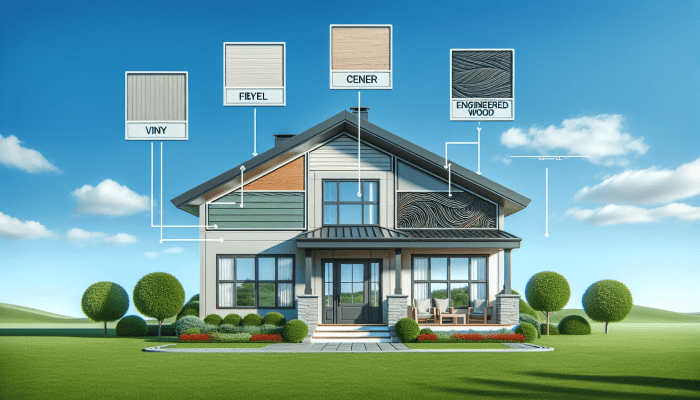
When choosing siding to complement smart roofing systems, there are several important factors to consider. From the type of siding material to climate conditions and maintenance requirements, each aspect plays a crucial role in ensuring the longevity and effectiveness of your home's exterior.
Types of Siding Materials
- Vinyl Siding: A popular choice due to its affordability, durability, and low maintenance requirements. It comes in a variety of colors and styles to match different roofing materials.
- Fiber Cement Siding: Known for its resistance to fire, insects, and rot, fiber cement siding offers a high level of durability. It can be painted in various colors to complement your roofing system.
- Wood Siding: Provides a natural and classic look to your home but requires regular maintenance to prevent rot and decay. It can be stained or painted to match the roof's aesthetic.
- Brick Siding: Offers a timeless appeal and excellent durability, requiring minimal maintenance. It pairs well with various roofing materials, adding a touch of elegance to your home.
Importance of Considering Climate and Weather Conditions
Climate and weather conditions play a significant role in determining the best siding option for your smart roofing system. For instance, in areas with high humidity, vinyl siding is a suitable choice as it resists moisture and mold growth. In regions prone to extreme weather conditions, such as hurricanes or heavy snowfall, fiber cement or brick siding can provide added protection and durability.
Maintenance Requirements
It's essential to consider the maintenance requirements associated with different siding materials when making your selection. While vinyl siding is low maintenance and only requires occasional cleaning, wood siding needs regular staining or painting to prevent decay. Brick siding, on the other hand, is relatively low maintenance but may require occasional inspections for any signs of damage or wear.
Design Tips for Harmonizing Siding with Smart Roofing Systems
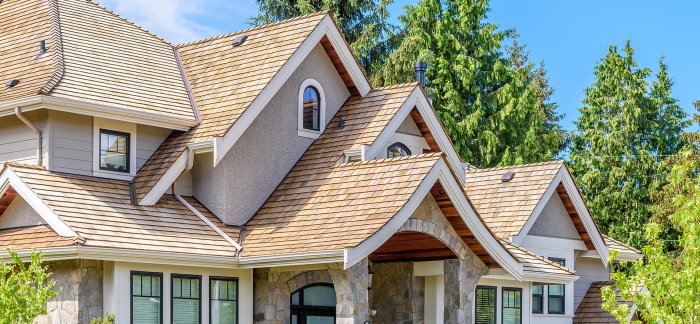
When it comes to harmonizing siding with smart roofing systems, there are several design tips to keep in mind to ensure a cohesive and visually appealing exterior for your home.
Selecting Colors for Contrast or Blend
- Consider choosing siding colors that either contrast or blend harmoniously with the color of your roofing material. For example, if you have a dark roof, opting for lighter siding can create a striking contrast. On the other hand, selecting siding in a similar hue to your roof can result in a more cohesive and blended look.
- Take into account the overall aesthetic you want to achieve and the surrounding landscape when selecting colors for your siding and roofing system.
Impact of Siding Texture
- The texture of your siding can greatly impact the overall look when paired with specific roofing materials. For instance, smooth siding can complement a sleek metal roof, while textured siding may pair well with a more rustic shingle roof.
- Consider the architectural style of your home and the desired visual impact when choosing the texture of your siding to ensure a cohesive and balanced exterior.
Role of Architectural Styles
- Architectural styles play a crucial role in determining the best siding options for different roofing systems. For example, modern homes with flat or low-sloped roofs may benefit from sleek and minimalist siding choices, such as metal panels or smooth stucco.
- Traditional homes with pitched roofs, on the other hand, may look best with siding options like wood shakes or lap siding to maintain a classic and timeless appeal.
Installation and Maintenance Considerations for Siding and Roofing Integration
When it comes to integrating siding with roofing systems, proper installation and maintenance are key to ensuring longevity and compatibility between the two components.
Best Practices for Installing Siding
- Ensure that the siding is properly sealed and flashed to prevent water infiltration, which can damage both the siding and roofing materials.
- Follow manufacturer guidelines for installation to maintain warranties and ensure optimal performance.
- Consider the slope of the roof when installing siding, as different roofing angles may require specific installation techniques.
Importance of Regular Maintenance
- Regularly inspect both the siding and roofing for signs of wear, damage, or leaks to address issues promptly and prevent further damage.
- Clean the siding and roofing as needed to remove dirt, debris, and mold that can affect the appearance and integrity of the materials.
- Trim back any overhanging branches or vegetation that could potentially damage the siding or roofing during storms or high winds.
Tips for Addressing Mismatched Systems
- If you notice a mismatch between the siding and roofing systems, consider options such as repainting the siding to better complement the roof color or adding trim to create a cohesive look.
- Consult with a professional contractor to explore solutions for integrating the siding and roofing systems, such as adding accents or architectural details to bridge the gap.
- Regularly assess the visual appeal and functionality of the siding and roofing to determine if any adjustments or replacements are necessary for a harmonious integration.
Conclusion
In conclusion, Choosing Siding That Matches Smart Roofing Systems is a crucial aspect of home design that can elevate the overall look and energy efficiency of your property. By following the guidelines and tips provided, you can achieve a seamless integration that enhances curb appeal and durability.
Commonly Asked Questions
How does matching siding with roofing enhance energy efficiency?
When siding and roofing are compatible, it creates a tighter seal for the building, reducing air leaks and improving insulation, which can lead to energy savings.
What types of siding materials work well with different roofing materials?
Vinyl siding pairs well with asphalt shingles, while wood siding complements cedar shake roofs. Consider the aesthetics and durability of each material for a cohesive look.
Why is it important to consider climate when choosing siding?
Climate affects the performance and lifespan of siding materials. For example, in humid climates, moisture-resistant siding like fiber cement may be more suitable to prevent mold and rot.
How can architectural styles influence the choice of siding for roofing systems?
Certain architectural styles may favor specific siding materials to maintain authenticity and visual appeal. For example, modern homes may opt for sleek metal siding to complement a flat roof design.