Architects and interior designers play pivotal roles in shaping our built environment. From conceptualizing innovative designs to bringing them to life, these professionals collaborate seamlessly to create spaces that are both functional and visually appealing. Let's delve into the intricate world of architecture and interior design to uncover the magic behind their craft.
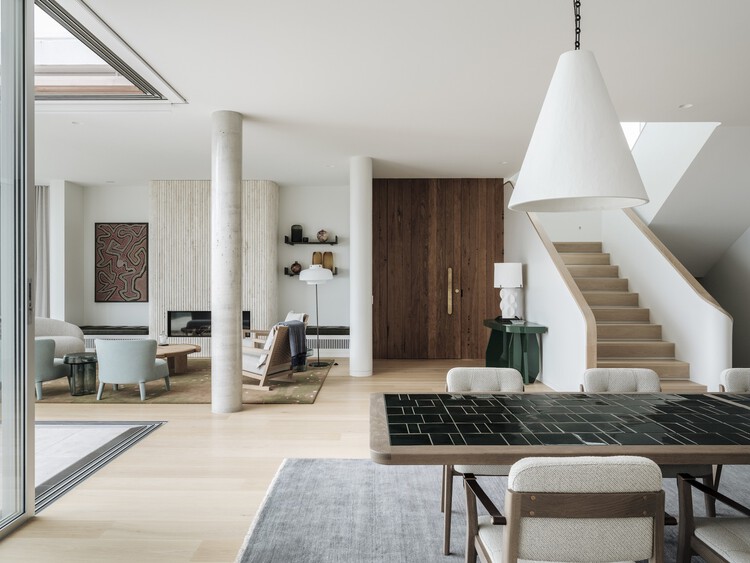
Roles and Responsibilities
Architects and interior designers play crucial roles in shaping the aesthetics and functionality of spaces, but they have distinct responsibilities within a project.
Architects
Architects are primarily responsible for designing and planning the overall structure of a building. Their roles include:
- Creating architectural drawings and blueprints
- Ensuring compliance with building codes and regulations
- Coordinating with engineers and contractors
- Overseeing construction and project management
Interior Designers
Interior designers focus on enhancing the interior spaces of a building to meet the client's needs and aesthetic preferences. Their responsibilities involve:
- Selecting furniture, fixtures, and finishes
- Creating color schemes and layouts
- Collaborating with architects and contractors
- Considering functionality and ergonomics
Collaboration between Architects and Interior Designers
Architects and interior designers often collaborate closely to ensure a cohesive and harmonious design. They work together to:
- Integrate architectural elements with interior design concepts
- Coordinate spatial layouts and circulation patterns
- Select materials and finishes that complement the overall design
- Enhance the functionality and aesthetics of the space
Education and Training
To become an architect or an interior designer, individuals must undergo specific educational requirements and training programs tailored to each profession. Here, we will delve into the details of the educational paths for architects and interior designers, highlighting the differences in their training programs and the specialized skills they acquire through their education.
Architect
Architects typically complete a Bachelor's degree in architecture, which usually takes five years to complete. Following this, aspiring architects must complete a professional Master's degree in architecture, which can take an additional 1-5 years depending on the program and the level of specialization desired.
It is important to note that in order to become a licensed architect, individuals must also complete a certain amount of supervised work experience and pass the Architect Registration Examination.
Interior Designer
On the other hand, interior designers typically pursue a Bachelor's degree in interior design or a related field, which typically takes 4 years to complete. Some interior designers may also choose to pursue a Master's degree to further enhance their skills and knowledge in the field.
While interior designers are not required to obtain a license in all states, many choose to become certified through the National Council for Interior Design Qualification (NCIDQ) by passing a rigorous exam.
Specialized Skills
Through their education, architects acquire specialized skills in architectural design, structural engineering, building materials, and construction techniques. They also develop expertise in creating functional and aesthetically pleasing spaces that meet the needs of their clients while adhering to building codes and regulations.Interior designers, on the other hand, focus on space planning, color theory, furniture design, and material selection.
They develop skills in creating cohesive and visually appealing interiors that reflect the client's style and preferences. Interior designers also have a deep understanding of lighting, textiles, and spatial arrangements to create harmonious living and working environments.Overall, both architects and interior designers undergo rigorous educational training to develop the specialized skills necessary to excel in their respective fields and bring their clients' visions to life.
Design Process
When it comes to the design process, architects and interior designers follow a systematic approach to ensure the successful completion of a project. While architects focus on the structural elements and building codes, interior designers prioritize aesthetics and functionality to create a harmonious living or working environment
.
Architects’ Design Process
Architects typically follow a step-by-step design process that includes:
- Initial Consultation: Meeting with the client to understand their needs, preferences, and budget constraints.
- Schematic Design: Developing initial sketches and layouts to explore different design options.
- Design Development: Refining the chosen design concept and developing detailed drawings and specifications.
- Construction Documentation: Creating comprehensive drawings and documents for construction permits and contractor bids.
- Construction Administration: Overseeing the construction process to ensure the design intent is realized.
Interior Designers’ Approach to Space Planning
Interior designers approach space planning by:
- Assessing the available space and understanding the client's lifestyle and needs.
- Creating a functional layout that optimizes the use of space and enhances the flow of movement.
- Selecting appropriate furniture, fixtures, and materials to complement the design aesthetic.
- Considering lighting, acoustics, and other environmental factors to create a comfortable and inviting space.
While architects focus on the overall structure and compliance with building codes, interior designers pay attention to the aesthetics and functionality of the interior spaces. Both professionals work together to create a cohesive design that meets the client's requirements and enhances the overall user experience.
Project Examples
In the world of architecture and interior design, showcasing notable projects is essential to understand the creativity and innovation behind each design. Let's delve into a few examples that highlight the expertise of architects and interior designers.
Architectural Project: The Guggenheim Museum, Bilbao
The Guggenheim Museum in Bilbao, designed by architect Frank Gehry, is a masterpiece of contemporary architecture. Key design elements include the use of titanium panels that reflect light and create a stunning visual effect. The building's organic form and unique structure have made it an iconic landmark in the city.
Interior Design Project: The Burj Al Arab, Dubai
The interior design of the Burj Al Arab hotel in Dubai is a testament to luxury and opulence. The use of rich materials such as gold leaf, marble, and crystal chandeliers transformed the space into a lavish retreat fit for royalty.
The design seamlessly blends traditional Arabic elements with modern touches, creating a truly unique and extravagant experience for guests.
Adapting Styles to Client Preferences
Architects and interior designers often have to adapt their styles to suit different client preferences. For example, a client who values minimalism may opt for clean lines and neutral colors in both the architecture and interior design of their space.
On the other hand, a client who prefers a more eclectic style may request bold patterns, vibrant colors, and a mix of different textures in their design. By understanding and incorporating their clients' tastes and preferences, architects and interior designers can create spaces that truly reflect the personality and vision of the client.
Final Review
As we conclude our exploration of architects and interior designers, it becomes evident that their collaboration is essential in crafting spaces that resonate with individuals on a profound level. From the design process to the final execution, these experts leave an indelible mark on the world around us, enriching our lives through their creativity and expertise.
FAQ Guide
What are the typical roles of an architect and an interior designer?
Architects focus on the overall structure and design of buildings, while interior designers specialize in creating functional and aesthetically pleasing interior spaces.
What are the educational requirements to become an architect and an interior designer?
Architects usually need a professional degree in architecture, while interior designers may have a degree in interior design or a related field.
How do architects and interior designers collaborate to create cohesive spaces?
Architects provide the framework for the building, and interior designers work within that framework to optimize the functionality and aesthetics of the interior spaces.