Embark on a journey through Architectural Siding Styles That Reflect Cultural Identity, exploring the intricate connection between architecture and cultural heritage. Discover how different siding styles across the globe encapsulate unique identities and narratives, shaping the visual landscape of buildings in profound ways.
Delve deeper into the essence of architectural siding and its role in preserving cultural diversity and traditions, as we unravel the fascinating interplay between design, materials, and cultural significance.
Architectural Siding Styles
Architectural siding styles play a crucial role in defining the overall appearance of a building. They not only serve functional purposes like protection from the elements but also contribute significantly to the aesthetic appeal of a structure.
Overview of Different Architectural Siding Styles
- Wood Siding: Traditional and versatile, offering a warm and natural look.
- Brick Siding: Durable and timeless, adding a sense of permanence to a building.
- Stucco Siding: Smooth and versatile, providing a sleek and modern appearance.
- Vinyl Siding: Cost-effective and low-maintenance, available in various colors and styles.
- Stone Veneer Siding: Elegant and luxurious, mimicking the look of natural stone.
Key Characteristics of Architectural Siding Styles
- Material: Each siding style is characterized by the type of material used, influencing its appearance and durability.
- Texture: The texture of siding can vary from smooth to rough, adding depth and visual interest to a building.
- Color: Siding comes in a wide range of colors, allowing for customization and coordination with the overall design scheme.
- Installation Method: Different siding styles require specific installation techniques, affecting their cost and maintenance requirements.
Contribution to Overall Aesthetics
Architectural siding styles play a vital role in enhancing the visual appeal of a building. They can convey a sense of tradition, modernity, luxury, or simplicity, depending on the chosen style. The color, texture, and material of the siding can create a harmonious look that complements the architectural design and reflects the cultural identity of a particular region.
Cultural Significance
Architectural siding plays a crucial role in reflecting cultural identity by incorporating unique elements that are specific to different cultures. The choice of materials, colors, textures, and patterns in siding styles often symbolize the traditions, beliefs, and values of a particular community or region.
Through architectural siding, cultural heritage is preserved and celebrated, showcasing the rich history and identity of a people.
Examples of Cultural Elements in Siding Styles
- In Japan, traditional wooden siding known as "Yakisugi" involves charring the surface of cedar planks to enhance durability and create a distinct black finish, reflecting the Japanese aesthetic of wabi-sabi.
- Native American tribes in the United States often use earth-toned materials like clay, stone, and wood in their siding designs, incorporating geometric patterns and symbols that hold spiritual significance.
- In Scandinavia, the use of natural materials such as wood and metal in siding reflects a connection to the region's rugged landscape and emphasis on sustainability.
Historical Relevance of Architectural Siding
Architectural siding has been a key aspect of preserving cultural heritage throughout history. From ancient civilizations to modern societies, the choice of siding materials and styles has evolved to reflect the values and traditions of each era. By maintaining traditional siding techniques and incorporating cultural elements, communities can ensure that their architectural heritage is passed down to future generations, keeping their cultural identity alive.
Materials and Techniques
In architectural siding, the choice of materials and techniques used often reflects the cultural practices and traditions of a particular region. Let's delve into the materials commonly used, compare traditional techniques with modern methods, and explore how sustainability plays a role in selecting siding materials.
Materials Used in Architectural Siding
- Wood: Traditional siding material in many cultures due to its versatility and availability.
- Stone: Commonly used in regions with abundant natural stone resources for a durable and rustic look.
- Stucco: A mixture of cement, sand, and water that provides a smooth finish often seen in Mediterranean and Spanish-style architecture.
- Brick: Offers a timeless aesthetic and is popular in colonial and industrial architectural styles.
Traditional vs. Modern Installation Techniques
- Traditional techniques often involve hand-craftsmanship and meticulous attention to detail, reflecting cultural heritage.
- Modern methods, such as prefabricated panels and advanced installation tools, streamline the process but may lack the character of traditional craftsmanship.
Sustainability and Environmental Factors
- Increasingly, sustainable siding materials like recycled wood, fiber cement, and metal are chosen to reduce environmental impact.
- Energy-efficient siding options, such as insulated vinyl or composite materials, help improve a building's energy performance.
- Local sourcing of materials and choosing long-lasting siding products contribute to sustainability efforts in construction.
Case Studies
In this section, we will delve into specific case studies where architectural siding plays a crucial role in reflecting cultural identity, integrating with the overall architectural concept of the building, and impacting the perception of cultural heritage.
The Guggenheim Museum Bilbao, Spain
The Guggenheim Museum in Bilbao, Spain, designed by architect Frank Gehry, is a prime example of how architectural siding can reflect the cultural identity of a region. The museum's titanium panels mimic the scales of fish, paying homage to Bilbao's history as a port city known for its fishing industry.
The unique and innovative design of the siding integrates seamlessly with the overall concept of the building, which aims to showcase contemporary art while also honoring the city's heritage. The use of titanium panels not only adds a modern touch to the structure but also highlights the importance of tradition and history in cultural identity.
This integration of architectural siding with cultural elements enhances the perception of Bilbao's cultural heritage and establishes a strong connection between the building and its surroundings.
The Burj Al Arab, Dubai
Another notable case study is the Burj Al Arab in Dubai, known for its distinctive sail-shaped silhouette. The building's exterior features a combination of blue glass panels and white Teflon-coated fiberglass, reflecting the maritime culture of the region. The design of the siding seamlessly integrates with the concept of the building, which aims to represent a modern interpretation of Arabian maritime traditions.
The use of blue and white colors, reminiscent of the sea and sails, creates a striking visual impact that reinforces the building's cultural significance. The architectural siding of the Burj Al Arab not only enhances the overall aesthetic appeal of the structure but also plays a significant role in shaping the perception of Dubai's cultural heritage as a hub of innovation and luxury.
Last Word
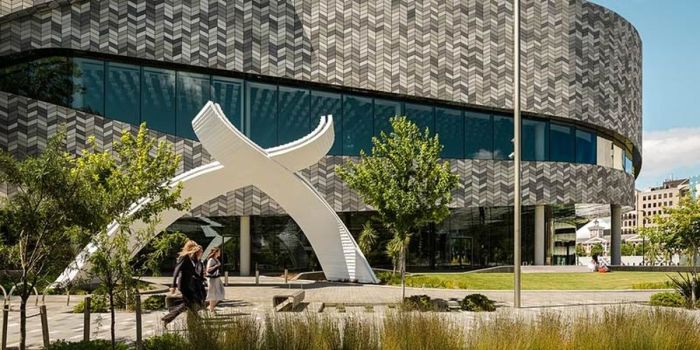
As we conclude our exploration of Architectural Siding Styles That Reflect Cultural Identity, we are left with a profound appreciation for the richness and depth of cultural expressions embedded in architectural design. Each siding style serves as a testament to the enduring legacy of diverse cultures, echoing through the walls of history and shaping the architectural narrative for generations to come.
User Queries
How do architectural siding styles vary globally?
Architectural siding styles vary globally based on cultural influences, historical backgrounds, and local materials available.
Why is it important for architectural siding to reflect cultural identity?
Reflecting cultural identity through architectural siding helps preserve traditions, promote cultural diversity, and create a sense of belonging within communities.
What role do materials play in architectural siding design?
Materials play a crucial role in architectural siding design, as they not only impact aesthetics but also sustainability, durability, and maintenance of the structure.