As hardie cobblestone takes center stage, this opening passage beckons readers into a world crafted with good knowledge, ensuring a reading experience that is both absorbing and distinctly original.
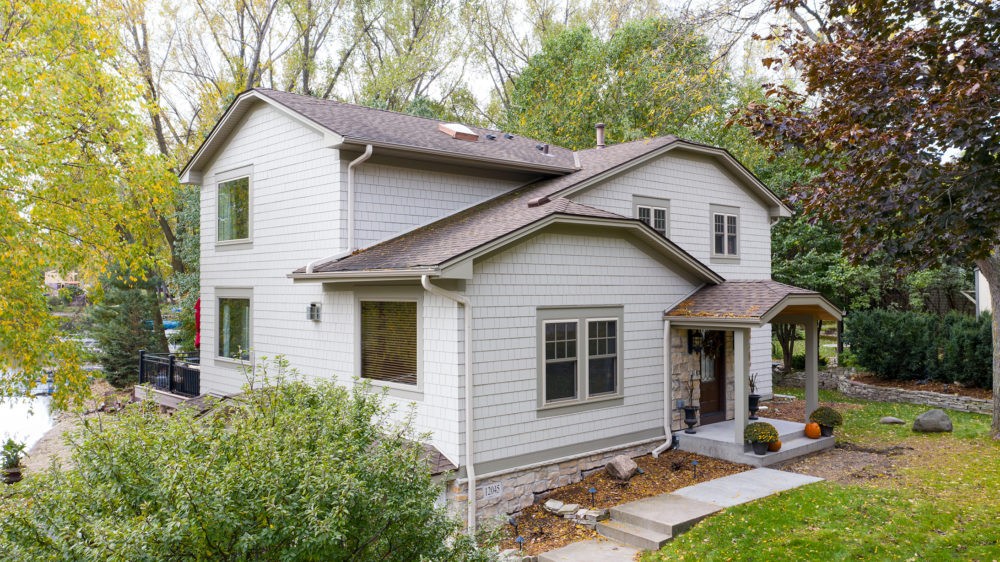
Hardie Cobblestone, a versatile material with a myriad of applications in construction and landscaping, offers a blend of durability and aesthetic appeal that is hard to resist.
Introduction to Hardie Cobblestone
Hardie Cobblestone is a durable and versatile building material made from a mixture of cement, sand, and cellulose fibers. This composite material is designed to mimic the look of natural stone while providing the strength and durability of concrete.
There are several benefits to using Hardie Cobblestone in construction projects. Firstly, it is lightweight compared to traditional stone, making it easier to handle and install. Additionally, it is resistant to rot, insects, and fire, making it a long-lasting and low-maintenance option for outdoor applications.
Various Applications of Hardie Cobblestone
- Landscaping: Hardie Cobblestone can be used to create beautiful and durable pathways, driveways, and garden edging. Its versatile design allows for endless creative possibilities in outdoor spaces.
- Building Projects: In construction projects, Hardie Cobblestone can be used for exterior cladding, accent walls, and even fireplace surrounds. Its ability to withstand harsh weather conditions and maintain its appearance over time makes it a popular choice among builders and homeowners alike.
Installation of Hardie Cobblestone
When installing Hardie Cobblestone, it is important to follow the correct steps to ensure a durable and visually appealing result. Proper preparation of the base and cutting of the cobblestones are crucial for a successful installation.To begin, make sure the surface where the cobblestones will be installed is clean, level, and free of any debris.
Use a shovel to remove any existing grass, rocks, or soil. Next, add a layer of compacted gravel to create a stable base for the cobblestones. This will help prevent shifting and settling over time.
Preparing the Base
- Excavate the area to the desired depth, typically around 4-6 inches.
- Compact the soil using a plate compactor to create a solid foundation.
- Add a layer of landscape fabric to prevent weed growth.
- Pour a layer of gravel and compact it to create a stable base.
Cutting and Shaping Hardie Cobblestone
- Measure the area where the cobblestones need to be cut and mark the stone accordingly.
- Use a circular saw with a diamond blade to cut the cobblestone along the marked line.
- For shaping, use a chisel and hammer to create custom fits or angles as needed.
- Wear appropriate safety gear, such as goggles and gloves, when cutting and shaping the cobblestones.
Maintenance of Hardie Cobblestone
Proper maintenance of Hardie Cobblestone is essential to ensure its longevity and preserve its appearance. Below are the recommended maintenance practices for Hardie Cobblestone, including cleaning and repair methods:
How to Clean Hardie Cobblestone
- Regularly sweep the surface of the Hardie Cobblestone to remove dirt, debris, and leaves.
- Use a mixture of mild soap and water to gently scrub any stains or spots on the cobblestones.
- Avoid using harsh chemicals or abrasive cleaners that can damage the surface of the Hardie Cobblestone.
- Rinse the cobblestones thoroughly with clean water to remove any soap residue.
- Consider using a pressure washer on a low setting for a more thorough cleaning, but be careful not to use too much pressure to avoid damaging the cobblestones.
How to Repair or Replace Damaged Hardie Cobblestone
If you notice any damaged or broken Hardie Cobblestone pieces, follow these steps to repair or replace them:
- Remove the damaged cobblestone carefully using a chisel and hammer.
- Clean the area where the cobblestone was removed to ensure a smooth surface for the new piece.
- Apply a suitable adhesive or mortar to the back of the replacement cobblestone and carefully place it in the empty spot.
- Press down firmly on the cobblestone to ensure it is securely in place.
- Allow the adhesive or mortar to dry completely before walking or driving over the repaired area.
Design Ideas with Hardie Cobblestone
Hardie Cobblestone offers a versatile option for enhancing outdoor spaces with its durability and aesthetic appeal. Incorporating this material in landscaping projects can elevate the overall look and feel of the area, adding a touch of sophistication and charm.
1. Pathways and Walkways
Utilize Hardie Cobblestone to create stunning pathways and walkways in your garden or backyard. The unique texture and colors of the cobblestones can add a rustic or elegant touch, depending on the design aesthetic you are aiming for. Whether it's a straight path leading to a focal point or a winding walkway through a lush garden, Hardie Cobblestone can elevate the landscape.
2. Garden Edging
Enhance the borders of your flower beds or vegetable patches with Hardie Cobblestone edging. The natural look of the cobblestones can provide a clean and defined edge to your garden spaces, preventing soil erosion and giving a polished finish to the overall landscape design.
3. Patio or Outdoor Seating Area
Create a cozy and inviting patio or outdoor seating area using Hardie Cobblestone as the flooring material. The textured surface of the cobblestones can add character to the space while providing a durable and low-maintenance flooring option for your outdoor gatherings.
Pair it with comfortable outdoor furniture and some greenery for a perfect relaxation spot.
4. Water Features
Incorporate Hardie Cobblestone in the design of water features such as fountains, ponds, or waterfalls. The natural and earthy tones of the cobblestones can complement the water elements beautifully, creating a harmonious and tranquil ambiance in your outdoor space. Whether as a base for the water feature or as decorative accents, Hardie Cobblestone can add a touch of elegance to the design.
Closing Summary
In conclusion, Hardie Cobblestone stands out as a reliable choice for adding charm and character to various projects. Its durability, ease of maintenance, and endless design possibilities make it a top contender in the realm of construction and design.
Commonly Asked Questions
How durable is Hardie Cobblestone?
Hardie Cobblestone is extremely durable, resistant to weathering, and can withstand heavy foot traffic.
Can Hardie Cobblestone be used for both indoor and outdoor projects?
Yes, Hardie Cobblestone is versatile and suitable for both indoor and outdoor applications.
Is it easy to maintain Hardie Cobblestone?
Yes, maintaining Hardie Cobblestone is relatively easy, requiring simple cleaning and occasional repairs if needed.