Introducing Insulated Siding: The Overlooked Home Upgrade sets the stage for a deep dive into a crucial aspect of residential homes that often goes unnoticed. Prepare to uncover the hidden gems of this essential home improvement feature.
Delve into the world of insulated siding and discover how it can revolutionize the way you think about upgrading your home.
Introduction to Insulated Siding
Insulated siding is a type of exterior cladding for residential homes that includes a layer of insulation attached to the back of the siding panels. The primary purpose of insulated siding is to improve the energy efficiency of a home by reducing heat loss in the winter and heat gain in the summer.
When compared to traditional siding materials like vinyl, wood, or fiber cement, insulated siding offers several benefits. It helps to increase the overall R-value of the home, reducing energy costs and making the indoor environment more comfortable. Additionally, insulated siding can enhance the durability and impact resistance of the exterior surface, providing better protection against harsh weather conditions.
Popular Types of Insulated Siding
- Vinyl Insulated Siding: A cost-effective option that is easy to maintain and comes in a variety of colors and styles.
- Foam Backed Siding: Features a layer of foam insulation bonded to the back of the siding panels, offering superior thermal performance.
- Fiber Cement Insulated Siding: Combines the durability of fiber cement with the energy-saving benefits of insulation, providing a long-lasting and efficient cladding option.
Installation Process
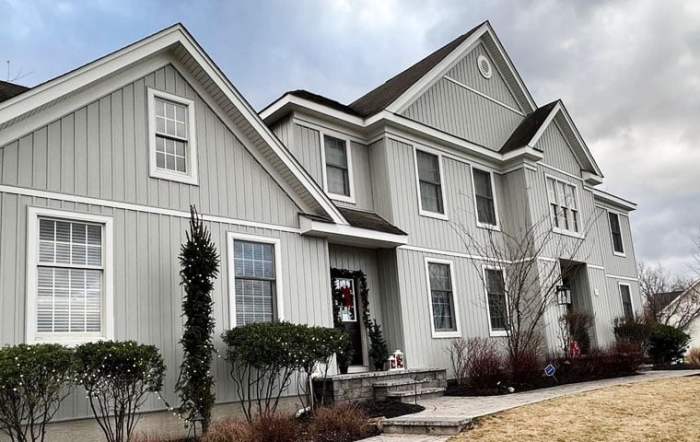
Installing insulated siding on a home can be a great way to enhance energy efficiency and improve the overall appearance of the property. The process involves several steps that require attention to detail and precision to ensure a successful outcome.
Tools and Materials Required
- Insulated siding panels
- Trim pieces
- Nails or screws
- Caulk and sealant
- Level
- Tape measure
- Hammer or screwdriver
- Safety gear (gloves, goggles)
Tips for DIY Installation vs Hiring a Professional Contractor
- DIY Installation:
- Ensure you have the necessary tools and materials before starting the installation.
- Follow the manufacturer's instructions carefully to avoid any mistakes.
- Take your time and double-check measurements to ensure a proper fit.
- Consider starting with a small area to practice before tackling the entire home.
- Seek assistance from a professional if you encounter any challenges or feel unsure about the process.
- Hiring a Professional Contractor:
- Research and choose a reputable contractor with experience in installing insulated siding.
- Get multiple quotes and compare services before making a decision.
- Ask for references and check online reviews to ensure the contractor has a good reputation.
- Ensure the contractor is licensed and insured to protect yourself and your property.
- Communicate your expectations clearly and ask questions throughout the process to ensure satisfaction with the final result.
Energy Efficiency and Cost Savings
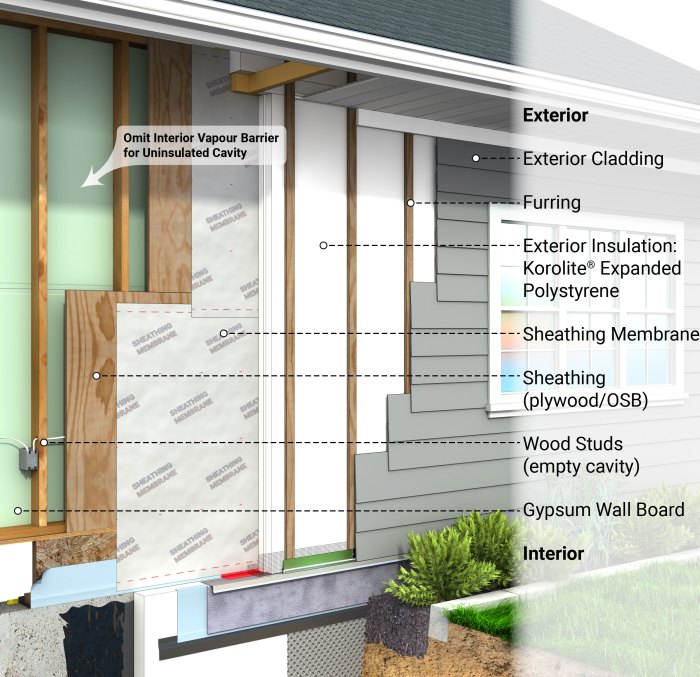
Insulated siding not only enhances the aesthetic appeal of a home but also plays a crucial role in improving energy efficiency and generating cost savings over time. By reducing heat loss and minimizing air leakage, insulated siding helps regulate indoor temperatures more effectively, resulting in lower energy consumption and utility bills.
Improvement in Energy Efficiency
- Insulated siding acts as a thermal barrier, preventing heat transfer between the interior and exterior of the home.
- By reducing heat loss during the winter and heat gain during the summer, insulated siding helps maintain a comfortable indoor environment without over-reliance on heating or cooling systems.
- The enhanced insulation provided by insulated siding also minimizes drafts and cold spots within the home, ensuring consistent temperature distribution.
Potential Cost Savings
- Due to the improved energy efficiency, homeowners can expect to see a decrease in their heating and cooling expenses throughout the year.
- Insulated siding helps reduce the workload on HVAC systems, prolonging their lifespan and minimizing the need for repairs or replacements.
- Over time, the cost savings from lower energy bills and reduced maintenance can offset the initial investment in insulated siding, making it a financially sound choice for homeowners.
Long-Term Financial Benefits
- Compared to other home upgrades, insulated siding offers a unique combination of aesthetic appeal, energy efficiency, and cost savings, making it a valuable investment for homeowners.
- The long-term financial benefits of insulated siding extend beyond immediate savings, as the durable material and insulation properties contribute to the overall value and sustainability of the home.
- When considering home improvement projects, insulated siding stands out as a practical choice that not only enhances comfort and curb appeal but also delivers substantial returns in terms of energy efficiency and cost savings over the years.
Maintenance and Durability
Insulated siding not only enhances the energy efficiency of a home but also plays a significant role in increasing the durability of the exterior. The material used in insulated siding is designed to withstand harsh weather conditions and resist damage over time.
Contributions to Durability
- Insulated siding helps protect the underlying structure of the home from moisture, mold, and rot, which can occur with traditional siding materials.
- The added insulation provides a buffer against temperature fluctuations, minimizing the expansion and contraction that can lead to cracks and warping in the siding.
- It is resistant to fading, chipping, and peeling, maintaining its appearance and structural integrity for many years.
Maintenance Tips
- Regularly clean the insulated siding with a mild detergent and water to remove dirt, grime, and pollutants that can accumulate over time.
- Inspect the siding for any signs of damage, such as cracks, dents, or loose panels, and repair them promptly to prevent further issues.
- Avoid using abrasive cleaners or tools that could scratch or damage the surface of the siding.
- Trim vegetation around the home to prevent any overgrowth from coming into contact with the siding, which can cause damage or moisture retention.
Impact of Weather and Climate
- Extreme weather conditions, such as heavy rain, snow, or high winds, can put additional stress on the insulated siding. Regular inspections after severe weather events are essential to identify and address any damage.
- In areas with high humidity or frequent temperature fluctuations, moisture can accumulate behind the siding, leading to mold growth or structural issues. Proper ventilation and drainage are crucial to prevent these issues.
- Regular maintenance and proactive care can help extend the lifespan of insulated siding and ensure it continues to provide protection and energy efficiency for years to come.
Design and Aesthetics
Insulated siding not only offers energy efficiency and durability but also provides a wide range of design options to enhance the overall look of your home.
Various Design Options and Styles
When it comes to insulated siding, homeowners have a plethora of design options and styles to choose from. Whether you prefer a traditional look or a more modern aesthetic, insulated siding can be customized to suit your preferences. From lap siding to vertical panels, shakes, shingles, and scallops, the possibilities are endless.
Enhancing Curb Appeal
Insulated siding can significantly enhance the curb appeal of your home. With a variety of colors, textures, and finishes available, you can create a visually appealing exterior that complements your home's architectural style. Whether you want a bold statement color or a more subtle tone, insulated siding can transform the look of your home and increase its value.
Color Choices, Textures, and Customization
One of the key advantages of insulated siding is the ability to choose from a wide range of colors, textures, and customization options. You can select a color that matches your existing exterior or opt for a completely new look.
Textures range from smooth to wood-grain finishes, allowing you to achieve the desired aesthetic. Additionally, insulated siding can be customized to fit the unique dimensions of your home, ensuring a perfect fit and seamless appearance.
Environmental Impact
When it comes to the environmental impact of using insulated siding for homes, there are several key aspects to consider. Insulated siding offers a range of eco-friendly benefits that can contribute to a more sustainable living environment.
Sustainability of Materials
Insulated siding materials are designed to be durable and long-lasting, reducing the need for frequent replacements. This longevity helps minimize waste and reduces the overall environmental footprint of the siding. Additionally, many insulated siding materials are recyclable, further enhancing their sustainability compared to traditional options.
Energy Efficiency Benefits
One of the most significant environmental benefits of insulated siding is its energy efficiency. By providing better insulation for the home, insulated siding helps reduce energy consumption for heating and cooling. This results in lower greenhouse gas emissions and a smaller carbon footprint, making it a more eco-friendly choice for homeowners.
Overall Environmental Benefits
In conclusion, choosing insulated siding for a home can have a positive impact on the environment. From sustainable materials to energy efficiency benefits, insulated siding offers a greener alternative to traditional siding options. By reducing energy consumption and waste, insulated siding plays a role in creating a more environmentally friendly living space.
Final Thoughts
As we wrap up our discussion on Insulated Siding: The Overlooked Home Upgrade, it's clear that this simple yet impactful upgrade can truly transform the way your home looks and feels. Don't overlook the power of insulated siding in enhancing your living space and increasing your home's value.
Expert Answers
How does insulated siding contribute to energy efficiency?
Insulated siding acts as a barrier, reducing heat transfer in and out of your home, thus improving energy efficiency.
What are the maintenance tips for prolonging the lifespan of insulated siding?
Regularly cleaning the siding, checking for damage, and addressing issues promptly can help extend its lifespan.
Is DIY installation of insulated siding recommended?
While some homeowners may opt for DIY, hiring a professional contractor ensures proper installation and lasting results.