Latest Siding Trends in Urban European Architecture sets the stage for this enthralling narrative, offering readers a glimpse into a story that is rich in detail and brimming with originality from the outset. From the current architectural trends to the influence of historical architecture on modern designs, this topic promises to be an intriguing journey through the architectural landscape of urban Europe.
Overview of Urban European Architecture Trends
Urban European architecture is continuously evolving, reflecting a blend of traditional styles with modern influences. The current trends in urban European areas showcase a mix of innovation, sustainability, and cultural heritage.
Key Features of Urban European Architecture
- Integration of historical elements: Urban European architecture often incorporates historical buildings and landmarks into modern structures, creating a unique blend of old and new.
- Sustainable design practices: There is a growing emphasis on sustainability in urban European architecture, with a focus on energy efficiency and eco-friendly materials.
- Contemporary aesthetics: Clean lines, minimalism, and use of innovative materials are common features in modern urban European architecture.
- Functional spaces: Urban European architects prioritize creating spaces that are not only visually appealing but also functional and practical for residents.
Influence of Historical Architecture on Modern Trends
The rich history of European architecture has a significant impact on modern trends, with many architects drawing inspiration from iconic buildings and architectural styles of the past. From Gothic cathedrals to Baroque palaces, historical architecture continues to shape the design language of urban European architecture.
Materials and Finishes in Urban European Architecture
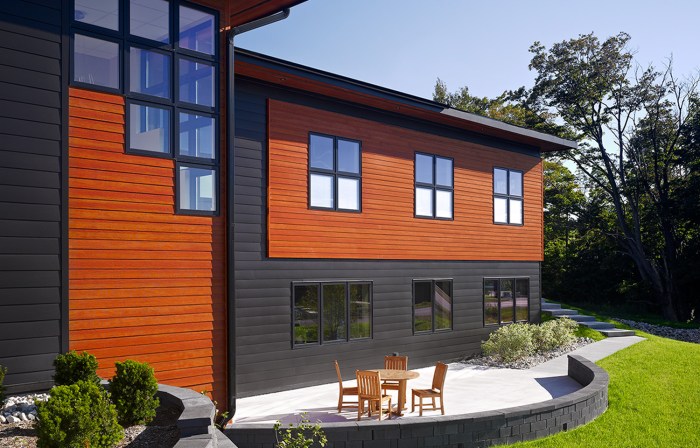
Urban European architecture showcases a variety of materials and finishes that contribute to the overall aesthetic and functionality of buildings. From traditional materials to modern sustainable options, the choices made in construction play a crucial role in shaping the urban landscape.
Siding Materials in Urban European Architecture
In urban European architecture, the choice of siding materials has evolved over time. Traditional options like brick, stone, and wood are still prevalent, adding a timeless charm to buildings. However, modern designs also incorporate materials like metal, fiber cement, and vinyl for a more contemporary look.
These materials offer durability, versatility, and a wide range of colors and textures to choose from, allowing architects to create unique facades that stand out in the urban environment.
Significance of Sustainable Materials
Sustainable materials have gained significant importance in modern urban European architecture. With a growing focus on environmental conservation and energy efficiency, architects are increasingly turning to materials that are eco-friendly and energy-efficient. Options like recycled wood, reclaimed brick, and composite materials made from recycled plastics are being used to reduce the environmental impact of construction projects.
These sustainable materials not only contribute to a greener future but also add a distinct character to buildings, making them more appealing to environmentally conscious residents and visitors.
Comparison of Traditional Finishes with Contemporary Options
When it comes to finishes in urban European architecture, there is a contrast between traditional and contemporary options. Traditional finishes like stucco, plaster, and clay tiles have a rich history and are often associated with classic European architecture. On the other hand, contemporary finishes such as metal panels, glass curtain walls, and innovative cladding systems offer a more modern and sleek appearance.
While traditional finishes exude a sense of heritage and craftsmanship, contemporary options provide a sharp and minimalist aesthetic that reflects the fast-paced urban lifestyle of today.
Color Palettes and Textures in Siding Designs
When it comes to urban European architecture, color palettes and textures play a crucial role in shaping the overall aesthetic of buildings. The choice of colors and textures can significantly impact the visual appeal and character of a structure.
Popular Color Palettes
In urban European architecture, you will often see a harmonious blend of neutral tones such as whites, greys, and beiges. These colors create a sense of sophistication and timelessness in building facades. Additionally, pops of color like deep blues, greens, or even muted yellows are sometimes used as accent colors to add interest and vibrancy to the overall design.
Role of Textures
Textures in siding designs can add depth and dimension to a building's exterior
Impact of Color Choices
The color choices in siding designs can have a profound impact on the overall aesthetic of a structure. Lighter colors can make a building appear larger and more open, while darker colors can create a sense of coziness and intimacy.
Warm tones like terracotta or rust can add a sense of warmth and inviting charm, while cool tones like blues and greens can provide a calming and serene atmosphere.
Innovative Siding Techniques and Applications
In the realm of urban European architecture, siding techniques have evolved to incorporate innovative approaches that push the boundaries of traditional design. These cutting-edge techniques not only enhance the aesthetic appeal of buildings but also contribute to their functionality and sustainability.
Cutting-Edge Siding Techniques
- One of the innovative siding techniques gaining popularity is the use of kinetic facades, which involve movable elements that can change position based on environmental conditions or user preferences. These dynamic facades not only create visually stunning effects but also improve energy efficiency by optimizing light and ventilation.
- Another emerging trend is the integration of smart materials into siding designs. These materials have the ability to respond to external stimuli such as temperature, light, or humidity, allowing the building envelope to adapt to changing conditions and enhance comfort levels for occupants.
- Architects and designers are also exploring the use of 3D printing technology to create intricate and customized siding elements. This innovative approach enables the production of complex geometries and textures that would be difficult to achieve using traditional manufacturing methods.
Unconventional Siding Applications
- Some modern architectural projects are experimenting with unconventional siding materials such as recycled plastic, reclaimed wood, or even living vegetation. These alternative materials not only add a unique aesthetic to the building but also promote sustainability and environmental consciousness.
- Architects are also incorporating interactive elements into siding designs, such as LED panels or digital screens. These interactive facades can display dynamic visuals, information, or art installations, transforming the building's exterior into a dynamic and engaging canvas.
- Furthermore, some projects are exploring the concept of adaptable facades that can be reconfigured or repositioned to accommodate different functions or activities. This flexibility in siding design allows buildings to evolve and respond to changing needs over time.
Impact of Technology on Siding Evolution
- Advancements in digital design tools and simulation software have revolutionized the way architects approach siding design. Virtual reality and parametric modeling enable designers to visualize and test different siding options in a virtual environment before implementation, leading to more efficient and precise outcomes.
- The integration of sustainable technologies such as solar panels, rainwater harvesting systems, or green roofs into siding designs is becoming more common. These eco-friendly features not only reduce the building's environmental impact but also contribute to energy savings and overall sustainability.
- Moreover, the use of nanotechnology in siding materials is opening up new possibilities for enhanced durability, self-cleaning properties, and improved thermal performance. Nanocoatings and nanocomposites are being developed to protect siding surfaces from weathering, pollution, and microbial growth, ensuring longevity and low maintenance requirements.
Epilogue
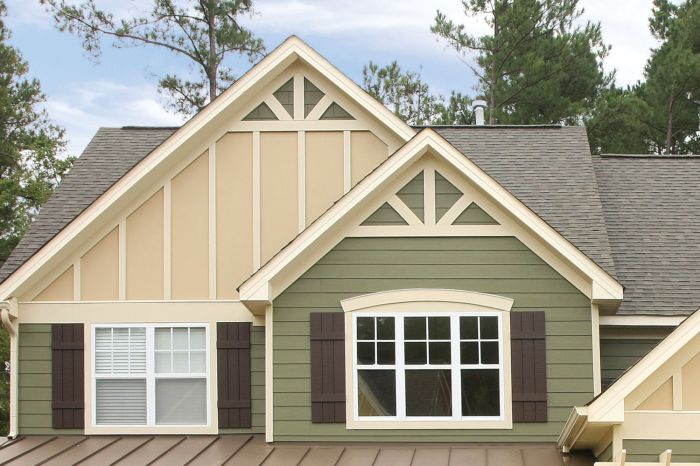
In conclusion, the discussion on Latest Siding Trends in Urban European Architecture has shed light on the dynamic interplay of materials, colors, and techniques shaping the architectural scene. It's evident that innovation, sustainability, and a nod to tradition are key drivers in this ever-evolving field.
As we look towards the future, the fusion of past and present promises to continue shaping the urban European architectural identity.
Question & Answer Hub
What are some sustainable siding materials commonly used in urban European architecture?
Sustainable siding materials like recycled wood, fiber cement, and metal panels are popular choices in modern urban European architecture due to their eco-friendly properties.
How do textures contribute to the visual appeal of buildings in urban European architecture?
Textures in siding designs add depth and character to buildings, creating visual interest and enhancing the overall aesthetic of urban European architecture.
What role does technology play in influencing siding evolution in modern architectural projects?
Technology has revolutionized siding techniques in urban European architecture, allowing for innovative applications and the integration of smart materials for energy efficiency and design flexibility.