Modern Metal Siding Designs for Contemporary Buildings sets the stage for this enthralling narrative, offering readers a glimpse into a story that is rich in detail and brimming with originality from the outset. From defining the concept of modern metal siding to exploring design elements and finishes, this topic delves deep into the world of contemporary architectural trends.
Modern Metal Siding Designs for Contemporary Buildings
Metal siding in architecture refers to the use of metal panels or sheets as an exterior cladding material for buildings. This design approach has gained popularity in contemporary architecture due to its sleek and modern aesthetic, as well as its durability and versatility.Some examples of contemporary buildings that feature modern metal siding include the Walt Disney Concert Hall in Los Angeles, designed by Frank Gehry, and the Seattle Central Library by Rem Koolhaas.
These buildings showcase the innovative use of metal siding to create a visually striking and unique architectural expression.The benefits of using metal siding in modern architectural designs are numerous. Metal siding is lightweight, which makes it easier to install and transport compared to traditional building materials.
It is also highly durable and resistant to harsh weather conditions, making it a long-lasting option for exterior cladding. Additionally, metal siding can be customized in terms of color, texture, and shape, allowing architects to create truly distinctive and contemporary designs.
Advantages of Metal Siding in Contemporary Architecture
- Metal siding offers a sleek and modern aesthetic that is well-suited to contemporary design trends.
- It is a durable and long-lasting material that requires minimal maintenance over time.
- The versatility of metal siding allows for endless design possibilities and customization options.
- Metal siding is eco-friendly and recyclable, making it a sustainable choice for green building projects.
Types of Modern Metal Siding
Metal siding is a popular choice for contemporary buildings due to its durability, low maintenance, and sleek aesthetic. There are several types of metal materials used in siding, each with its own characteristics and benefits. Let's explore the differences between steel, aluminum, and zinc as siding materials.
Steel Siding
Steel is a robust and sturdy material commonly used in metal siding. It offers excellent durability, impact resistance, and fire resistance, making it a reliable choice for high-traffic areas or regions with extreme weather conditions. Steel siding is available in a variety of finishes, including smooth, textured, and embossed designs, providing versatility in design options.
Aluminum Siding
Aluminum is a lightweight material that is corrosion-resistant and ideal for coastal or humid environments. It is easy to install and maintain, requiring minimal upkeep over time. Aluminum siding comes in a range of colors and styles, offering flexibility in design choices.
While aluminum is not as strong as steel, it still provides adequate protection and longevity for buildings.
Zinc Siding
Zinc is a durable and environmentally friendly material that develops a unique patina over time, giving buildings a distinct look. Zinc siding is known for its longevity, as it can last for decades with minimal maintenance. It is resistant to corrosion, UV rays, and extreme temperatures, making it a reliable choice for modern buildings.
While zinc siding may have a higher initial cost compared to other metals, its long-term benefits make it a worthwhile investment.Overall, each type of metal siding has its own set of advantages and characteristics that cater to different architectural styles and needs.
Whether you prioritize durability, aesthetics, or sustainability, there is a metal siding option that aligns with your preferences for contemporary buildings.
Design Elements and Finishes
Metal siding for contemporary buildings incorporates various design elements and finishes to enhance the overall aesthetic appeal. These elements play a crucial role in defining the modern look of the structure.
Surface Finishes
Surface finishes like matte, glossy, or textured surfaces have a significant impact on the appearance of metal siding. Each finish offers a unique visual appeal and can complement different architectural styles.
- Matte Finishes: Matte surfaces provide a modern and understated look to the building. They are ideal for creating a sleek and sophisticated appearance.
- Glossy Finishes: Glossy surfaces add a reflective quality to the metal siding, creating a more contemporary and vibrant feel. They can also make the building stand out and appear more dynamic.
- Textured Finishes: Textured surfaces add depth and visual interest to the metal siding. They can mimic natural materials like wood or stone, providing a unique and tactile element to the building's facade.
Color Choices
The color choices for metal siding play a crucial role in enhancing the design aesthetics of contemporary buildings. Different colors can evoke various moods and styles, transforming the overall look of the structure.
- Neutral Tones: Neutral colors like white, gray, or black are commonly used for modern metal siding. They create a clean and minimalist appearance, emphasizing the sleek lines of the building.
- Bold Colors: Bold hues like red, blue, or green can make a statement and add a pop of color to the building's exterior. They can inject personality and vibrancy into the design, creating a striking visual impact.
- Metallic Finishes: Metallic colors like silver, bronze, or copper can give metal siding a contemporary and industrial look. They reflect light and add a touch of sophistication to the building.
Integration with Architectural Styles
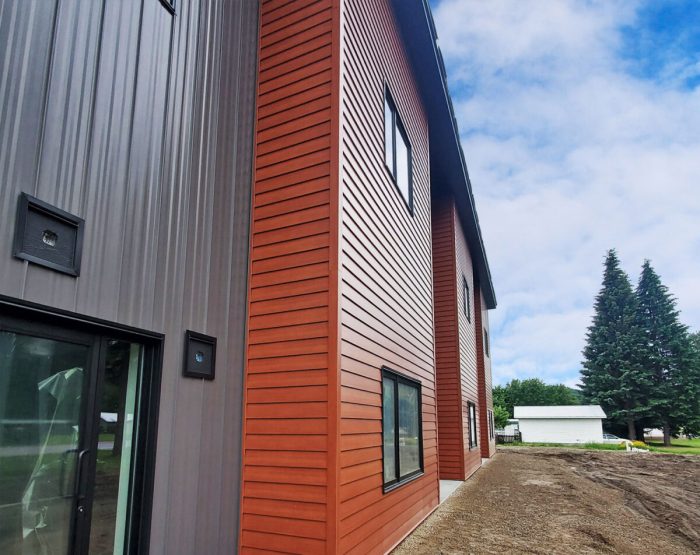
Metal siding has become a popular choice for contemporary buildings due to its ability to seamlessly integrate with various architectural styles. Whether it's minimalism, industrial, or futuristic designs, modern metal siding offers a versatile solution that complements and enhances the overall aesthetic of the building.
Examples of Complementary Building Designs
- Minimalism: The clean lines and sleek finish of metal siding perfectly complement the simplicity and functionality of minimalist architecture. The monochromatic color palette of metal siding can accentuate the minimalist design elements, creating a cohesive and modern look.
- Industrial: Metal siding is a natural fit for industrial-style buildings, with its raw and rugged appearance adding an edgy and urban vibe to the overall design. The use of corrugated metal panels or weathered steel finishes can enhance the industrial aesthetic, creating a bold statement.
- Futuristic: For buildings with a futuristic design approach, metal siding offers a contemporary and cutting-edge solution. The use of metallic finishes or innovative metal cladding systems can help achieve a futuristic look, while also providing durability and sustainability.
Versatility in Adapting to Different Architectural Aesthetics
Metal siding's versatility lies in its ability to adapt to a wide range of architectural aesthetics, making it a flexible choice for designers and architects. Whether it's a residential, commercial, or institutional building, metal siding can be customized to suit the specific design requirements and preferences, allowing for endless possibilities in creating unique and visually appealing structures.
Environmental Impact and Sustainability
Metal siding in contemporary buildings offers several eco-friendly aspects that contribute to sustainable architecture practices.
Recyclability and Energy Efficiency
Metal siding materials are highly recyclable, making them a sustainable choice for construction projects. The ability to recycle metal siding reduces the demand for new raw materials and minimizes waste that would otherwise end up in landfills. Additionally, metal siding is energy-efficient as it reflects sunlight, reducing the need for air conditioning in buildings and decreasing energy consumption.
Contribution to Sustainable Architecture
Metal siding plays a crucial role in sustainable architecture by providing durability, longevity, and low maintenance requirements. The longevity of metal siding reduces the need for frequent replacements, minimizing the environmental impact associated with manufacturing and transportation of new materials.
Furthermore, the design flexibility of metal siding allows for innovative and energy-efficient building designs that promote sustainability in construction practices.
Final Conclusion
In conclusion, Modern Metal Siding Designs for Contemporary Buildings encapsulates the essence of innovative architectural practices that blend style and functionality seamlessly. As we navigate through the different types of metal siding, design elements, and sustainability aspects, it becomes evident that metal siding is a versatile and sustainable choice for modern buildings.
Answers to Common Questions
Are metal siding designs only suitable for contemporary buildings?
Metal siding designs can work well with various architectural styles, but they are particularly popular in contemporary buildings due to their sleek and modern aesthetic.
What are the main benefits of using metal siding in modern architecture?
Metal siding offers durability, low maintenance requirements, and a wide range of design options, making it a preferred choice for contemporary structures.
How do different metal materials like steel, aluminum, and zinc compare in terms of siding for contemporary buildings?
Each metal material has its unique characteristics, with steel being the most durable, aluminum offering versatility, and zinc providing a distinct aesthetic appeal.
Can metal siding be customized to suit different color choices?
Yes, modern metal siding can be painted in a variety of colors to enhance the design aesthetics and complement the overall look of a building.
What environmental benefits does metal siding offer in sustainable architecture?
Metal siding is eco-friendly, recyclable, and energy-efficient, making it a sustainable choice for contemporary buildings that aim to reduce their environmental impact.