As Noise-Reducing Siding for Homes Near Traffic Zones takes center stage, this opening passage beckons readers with casual formal language style into a world crafted with good knowledge, ensuring a reading experience that is both absorbing and distinctly original.
When it comes to reducing noise in homes situated near bustling traffic zones, the choice of siding materials plays a crucial role. This guide delves into the various aspects of noise-reducing siding, from materials and installation techniques to benefits and maintenance practices.
Noise-Reducing Siding Materials
When it comes to choosing noise-reducing siding materials for homes located near traffic zones, there are several options available that can help minimize the impact of the noise pollution. These materials are specially designed to absorb or block the noise from the traffic, providing a quieter and more peaceful living environment for homeowners.
Fiber Cement Siding
Fiber cement siding is a popular choice for noise reduction due to its density and composition. Made from a mixture of cement, sand, and cellulose fibers, this type of siding is known for its durability and ability to dampen sound.
The thickness and density of fiber cement siding make it an effective barrier against traffic noise, helping to create a quieter indoor environment.
Vinyl Siding with Insulation
Vinyl siding with integrated insulation is another option for reducing noise transmission from outside. The added insulation helps to absorb sound waves and prevent them from entering the home, reducing the overall noise level inside. This type of siding is not only energy-efficient but also contributes to a quieter living space, especially in areas close to busy roads or highways.
Wood Composite Siding
Wood composite siding is a blend of wood fibers and resin, offering a natural look with the added benefit of noise reduction. The combination of materials provides a level of sound insulation, making it a suitable choice for homes near traffic zones.
Wood composite siding can help to minimize the impact of external noise, creating a more peaceful atmosphere indoors.
Comparing Effectiveness
When comparing the effectiveness of different siding materials in reducing traffic noise, factors such as density, thickness, and insulation properties play a crucial role. Fiber cement siding is often considered one of the most effective options due to its dense composition, while vinyl siding with insulation provides a good balance between noise reduction and energy efficiency.
Wood composite siding offers a natural aesthetic along with moderate noise-reducing properties, making it a versatile choice for homeowners looking to mitigate the impact of traffic noise.
Installation Techniques
Proper installation of noise-reducing siding is crucial to maximize its effectiveness in reducing outdoor noise levels inside your home. Here, we will detail the steps involved in installing noise-reducing siding on a home near a busy street and share tips for ensuring a proper and secure installation.
Preparation and Planning
Before starting the installation process, it is essential to carefully plan and prepare for the project. Here are the key steps to consider:
- Measure the dimensions of your home exterior to determine the amount of siding needed.
- Choose high-quality noise-reducing siding materials that are suitable for your climate and environment.
- Ensure that the surface where the siding will be installed is clean, smooth, and free of any damage.
Installation Steps
Once you have completed the preparation phase, you can proceed with the installation process. Follow these steps for a successful installation:
- Start by installing a moisture barrier or insulation material to provide additional soundproofing benefits.
- Secure the siding panels to the exterior walls using appropriate fasteners, ensuring they are tightly affixed.
- Overlap each siding panel correctly to prevent gaps and ensure a seamless look.
- Trim the edges and corners of the siding panels neatly for a professional finish.
Tips for Secure Installation
To ensure a proper and secure installation of noise-reducing siding, consider the following tips:
- Follow the manufacturer's installation instructions carefully to guarantee optimal performance.
- Use high-quality tools and equipment to make the installation process easier and more efficient.
- Inspect the siding regularly after installation to check for any signs of damage or wear.
- Consider hiring professional installers if you are not confident in your DIY skills to ensure a flawless installation.
Benefits of Noise-Reducing Siding
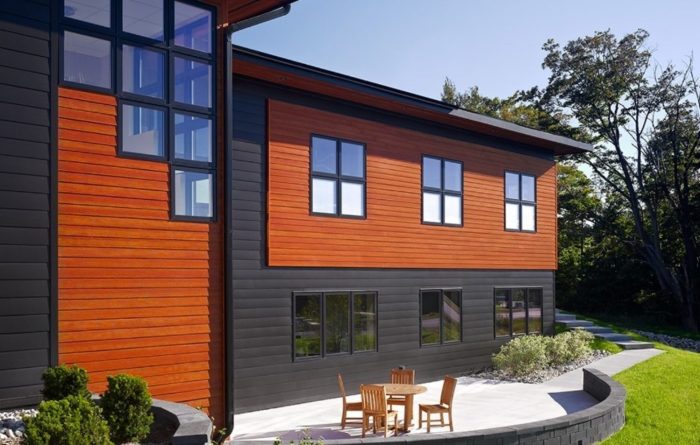
Living near high-traffic areas can be challenging due to the constant noise pollution. However, noise-reducing siding offers a solution to mitigate these issues and improve the overall quality of life for homeowners.
Advantages of Using Noise-Reducing Siding
- Reduced Noise Levels: One of the primary benefits of noise-reducing siding is its ability to significantly reduce the amount of noise entering the home from outside sources, such as traffic or construction.
- Improved Comfort: By minimizing external noise, homeowners can enjoy a more peaceful and comfortable living environment, creating a sanctuary away from the hustle and bustle of the outside world.
- Enhanced Privacy: Noise-reducing siding can also help increase privacy within the home by blocking out unwanted sounds and conversations from neighboring properties or passing vehicles.
Improving Quality of Life in Noisy Environments
- Health Benefits: Excessive noise exposure can lead to stress, anxiety, and even sleep disturbances. Noise-reducing siding can help create a quieter and more relaxing space, promoting better mental and physical well-being.
- Increased Property Value: Homes equipped with noise-reducing siding may have a higher resale value due to the added comfort and tranquility they provide, making them more attractive to potential buyers.
- Enhanced Concentration: Reduced noise levels can also improve concentration levels, especially for those working or studying from home, leading to increased productivity and focus.
Cost Savings Associated with Installing Noise-Reducing Siding
- Energy Efficiency: Noise-reducing siding can also provide insulation benefits, helping to regulate indoor temperatures more effectively and potentially lowering heating and cooling costs throughout the year.
- Reduced Maintenance: By acting as an additional barrier against external elements, noise-reducing siding can help protect the home's exterior, reducing the need for frequent repairs or maintenance due to weather damage.
- Long-Term Investment: While the initial cost of installing noise-reducing siding may be higher, the long-term benefits in terms of energy savings, comfort, and property value make it a worthwhile investment for homeowners in noisy environments.
Maintenance and Durability
When it comes to noise-reducing siding, proper maintenance is crucial to ensure its longevity and effectiveness in reducing noise levels in your home. By following some simple tips and understanding the durability of noise-reducing siding, you can preserve its noise-reducing properties for years to come.
Maintenance Requirements
- Regular Cleaning: To maintain the appearance and functionality of noise-reducing siding, it is important to clean it regularly with a mild detergent and water to remove dirt, dust, and other debris.
- Inspection: Periodically inspect the siding for any signs of damage, such as cracks, holes, or loose panels, and repair them promptly to prevent further deterioration.
- Sealing Gaps: Make sure to seal any gaps or joints in the siding to prevent water infiltration, which can cause damage and reduce the effectiveness of the noise-reducing properties.
Durability Compared to Traditional Siding
Noise-reducing siding is generally more durable than traditional siding options due to its construction and materials. The added layer of sound-absorbing material in noise-reducing siding can provide additional protection against wear and tear, as well as harsh weather conditions. This can result in a longer lifespan for noise-reducing siding compared to traditional siding, making it a cost-effective and efficient solution for homes in noisy environments.
Summary
In conclusion, Noise-Reducing Siding for Homes Near Traffic Zones offers a practical solution for homeowners seeking peace and tranquility amidst urban chaos. By understanding the different types of materials, installation methods, and long-term benefits, one can make an informed decision to enhance their living environment.
FAQ Explained
How effective is noise-reducing siding in minimizing traffic noise?
Noise-reducing siding can significantly reduce noise levels, especially when combined with other soundproofing measures like insulation and double-glazed windows.
Is noise-reducing siding more expensive than traditional siding options?
While noise-reducing siding may have a higher initial cost, the long-term benefits, including noise reduction and potential energy savings, often outweigh the upfront investment.
Can noise-reducing siding be painted or customized to match the aesthetics of a home?
Yes, many noise-reducing siding materials are paintable and can be customized to blend seamlessly with the exterior design of a home.