Embark on a journey through the world of siding colors that perfectly complement the sleek aesthetics of smart homes. From vibrant hues to soothing shades, discover how the right color choice can elevate your home's modern appeal.
Explore the impact of color psychology, the significance of contrast and coordination, and the role of different siding materials in creating a harmonious smart home design.
Siding Colors Selection
When it comes to selecting siding colors that complement smart home aesthetics, it is essential to consider the overall design and style of the house. The right siding color can enhance the modern and sleek look of a smart home, adding to its curb appeal and visual appeal.
Popular Siding Colors for Smart Homes
- Gray: Gray is a versatile and popular siding color that works well with modern smart home designs. It provides a neutral backdrop that can be paired with various accent colors for a sophisticated look.
- Black: Black siding can create a bold and contemporary statement for a smart home. It adds a touch of elegance and modernity to the overall aesthetic.
- Blue: Navy blue or deep blue siding can bring a sense of calm and serenity to a smart home. It can create a striking contrast against white or light-colored trim for a modern look.
- Beige: Beige or tan siding offers a classic and timeless appeal to a smart home. It blends well with natural surroundings and can give a warm and inviting feel to the exterior.
Color Psychology
Color psychology plays a crucial role in choosing siding colors for smart homes as it can greatly impact the overall aesthetics and perception of the property. Different colors have the ability to evoke specific moods, emotions, and feelings, making it essential to select colors that align with the desired atmosphere of a smart home.
Impact of Specific Colors
- Blue: Blue siding colors are often associated with calmness, serenity, and trustworthiness. They can create a sense of stability and reliability, perfect for showcasing a smart home's cutting-edge technology.
- Gray: Gray tones exude sophistication, modernity, and neutrality. They can complement the sleek and minimalist design of smart homes, adding a touch of elegance to the overall look.
- Green: Green hues symbolize nature, growth, and harmony. They can bring a refreshing and eco-friendly vibe to a smart home, emphasizing sustainability and environmental consciousness.
- White: White siding colors represent purity, cleanliness, and simplicity. They can create a bright and airy feel, enhancing the futuristic and high-tech aspects of a smart home.
- Black: Black exudes power, elegance, and luxury. It can provide a striking contrast and a sense of boldness to the design of a smart home, making a strong visual statement.
Contrast and Coordination
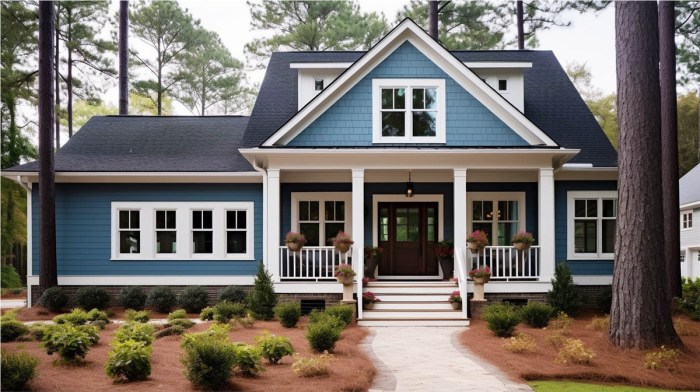
Creating contrast or coordination between siding colors and the smart home's exterior features is crucial in achieving a visually appealing look. The right balance can enhance the overall aesthetics of the home and create a cohesive design.
Importance of Contrast and Coordination
When it comes to siding colors, choosing between creating contrast or coordination with the smart home's exterior features can make a significant impact on the overall look of the property. Here are some tips to help you achieve a balanced and visually appealing design:
- Contrasting Colors: Opting for contrasting siding colors can create a dynamic and eye-catching look. For example, pairing a dark siding color with light-colored trim can make the home stand out and add depth to the design.
- Coordinating Colors: On the other hand, coordinating siding colors with the exterior features can create a harmonious and cohesive look. Choosing colors that complement the roof, windows, and other elements of the smart home can result in a unified design.
- Balance is Key: Whether you decide to create contrast or coordination, it's essential to find a balance between the siding colors and the other exterior features. Avoid overwhelming or clashing colors that can detract from the overall appearance of the home.
Examples of Successful Combinations
Some successful combinations of siding colors that create visually appealing contrasts or harmonious coordination include:
- Dark gray siding with white trim for a modern and sophisticated look.
- Beige siding with brown accents for a warm and inviting feel.
- Light blue siding with gray trim for a fresh and airy appearance.
By carefully considering the contrast and coordination of siding colors with the smart home's exterior features, you can achieve a stunning and cohesive design that enhances the overall appeal of the property.
Material Considerations
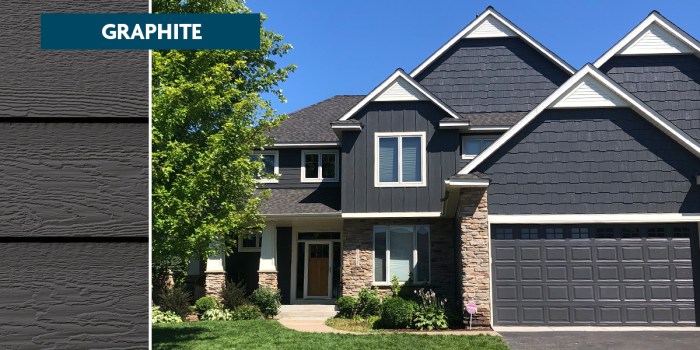
When it comes to choosing siding colors for smart homes, the material of the siding plays a crucial role. Different materials can impact the overall aesthetic appeal, durability, and maintenance requirements of the home.
Vinyl Siding
Vinyl siding is a popular choice for its affordability and low maintenance. When selecting colors for vinyl siding in smart homes, it's essential to consider the limited color options and the potential for fading over time.
Fiber Cement Siding
Fiber cement siding offers a wide range of color options and can mimic the look of wood or other materials. It is durable and requires minimal maintenance, making it a great choice for smart homes with a modern aesthetic.
Wood Siding
Wood siding provides a natural and timeless look to smart homes. However, it requires regular maintenance to prevent rot, mold, and insect infestation. When choosing colors for wood siding, consider the potential for staining or painting to maintain its appearance.
Metal Siding
Metal siding is known for its durability and resistance to fire, rot, and pests. It offers a modern and sleek appearance to smart homes. When selecting colors for metal siding, keep in mind the potential for fading and the impact of heat absorption on energy efficiency.
Closure
In conclusion, choosing the right siding colors for your smart home is not just about aesthetics but also about creating a cohesive and inviting space. Let your home reflect your style and personality with colors that enhance its technological features.
FAQ Resource
Can siding colors affect the energy efficiency of a smart home?
Yes, lighter siding colors can help reflect sunlight and reduce heat absorption, thus improving energy efficiency.
Are there any recommended color combinations for a modern smart home?
Popular combinations include gray siding with white accents or dark blue siding with metallic finishes for a contemporary look.
How can I maintain the color of my siding in a smart home?
Regular cleaning and periodic inspections for any damage can help maintain the vibrancy of your siding color.